
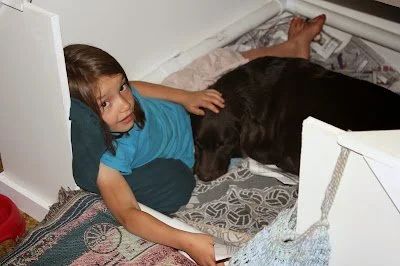
Preparations for whelping puppies.
Whelping puppies doesn't need to be hard or scary. There a few things though that are needed to prepare for a smooth birthing process. Most important would be a comfortable quiet place for your girl to make her nest. We built a 4/4 box with a door for our whelping box. Some kind of bedding is also essential. We use newspapers, as they are easier clean up than say, blankets or wood shavings. In addition to this we keep a digital scale for weighing pups as soon as they are born.
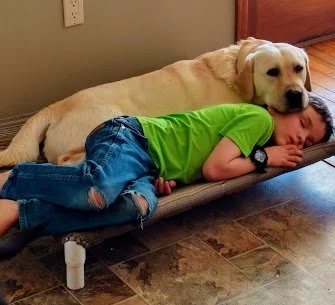
Our Family’s Passion
Training English Labradors is our family's passion. As a large homeschooling family, we saw the importance of training our children in work ethic, business savvy, and usable skills. In 2013, we purchased our first pair of English Labradors and Duty Dogs was born. Our niche was to train Diabetes Alert Dogs; having a son with Type 1 diabetes, we understood the peace of mind a service dog could bring to a family.
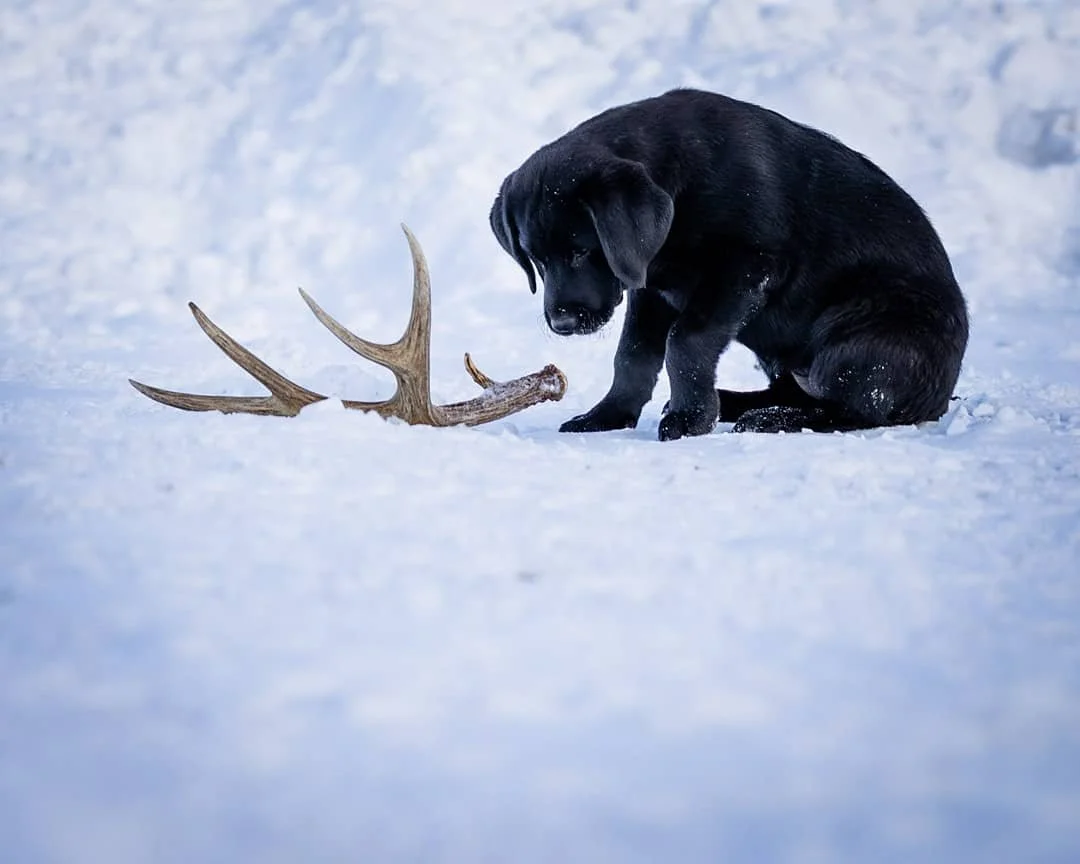
Curbing Destructive Chewing
The problem of chewing is prevalent in many dog owner homes. Dogs, especially puppies, LOVE to chew. For most puppies, however, they are not just being destructive, but trying to ease the pain of teething. Providing them with safe, quality, toys they enjoy, will greatly diminish the temptation of your favorite slipper, the leg of your suede couch, or the garden hose.
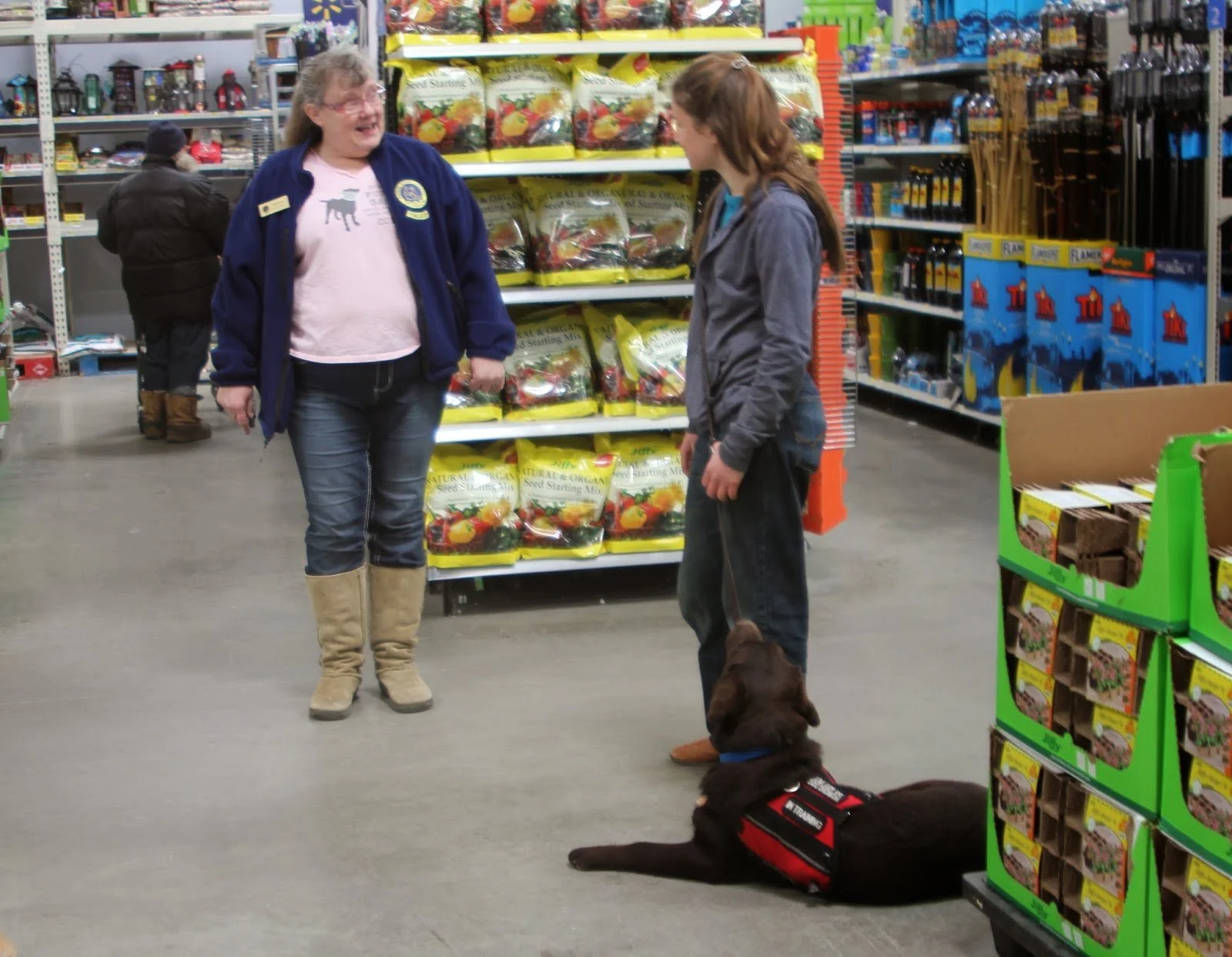
When Puppy Comes Home-- Training
TRAINING: Dogs love to work. And don't we all love to show off the neat tricks our dogs can do? All dogs should be trained in basic obedience (sit, stay, come, down). A good goal for you and your dog is the Canine Good Citizen test (CGC).
When Puppy Comes Home-- Sleeping and Place
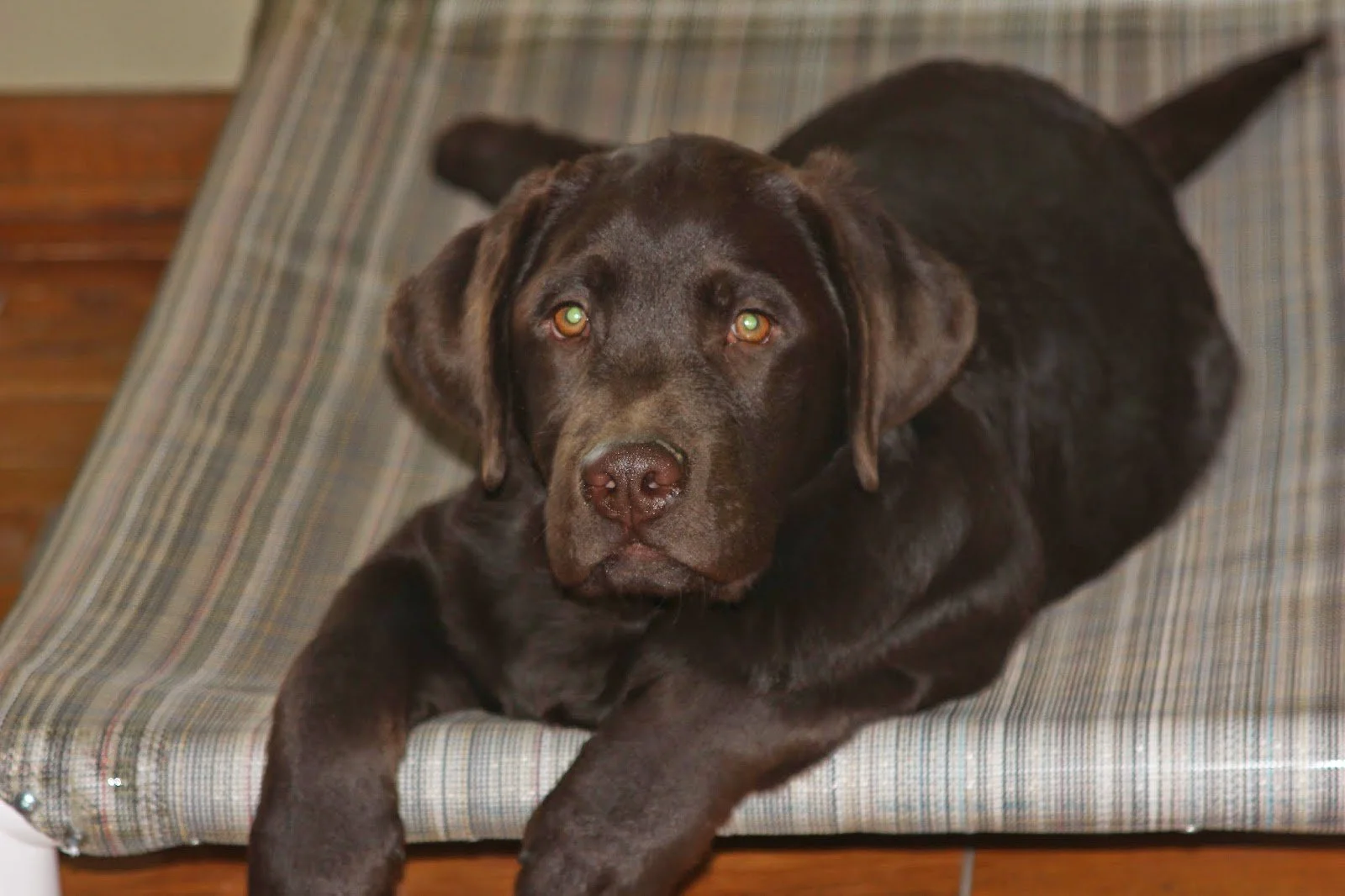
SLEEPING: Eventually, you might want your new BFF to sleep with you, but we highly encourage you to start them off in a crate appropriate to their size. All of our labs have their own large crate for night-time purposes. Please don't think you're being mean to your dog to put him into a crate.
When Puppy Comes Home-- Exercise
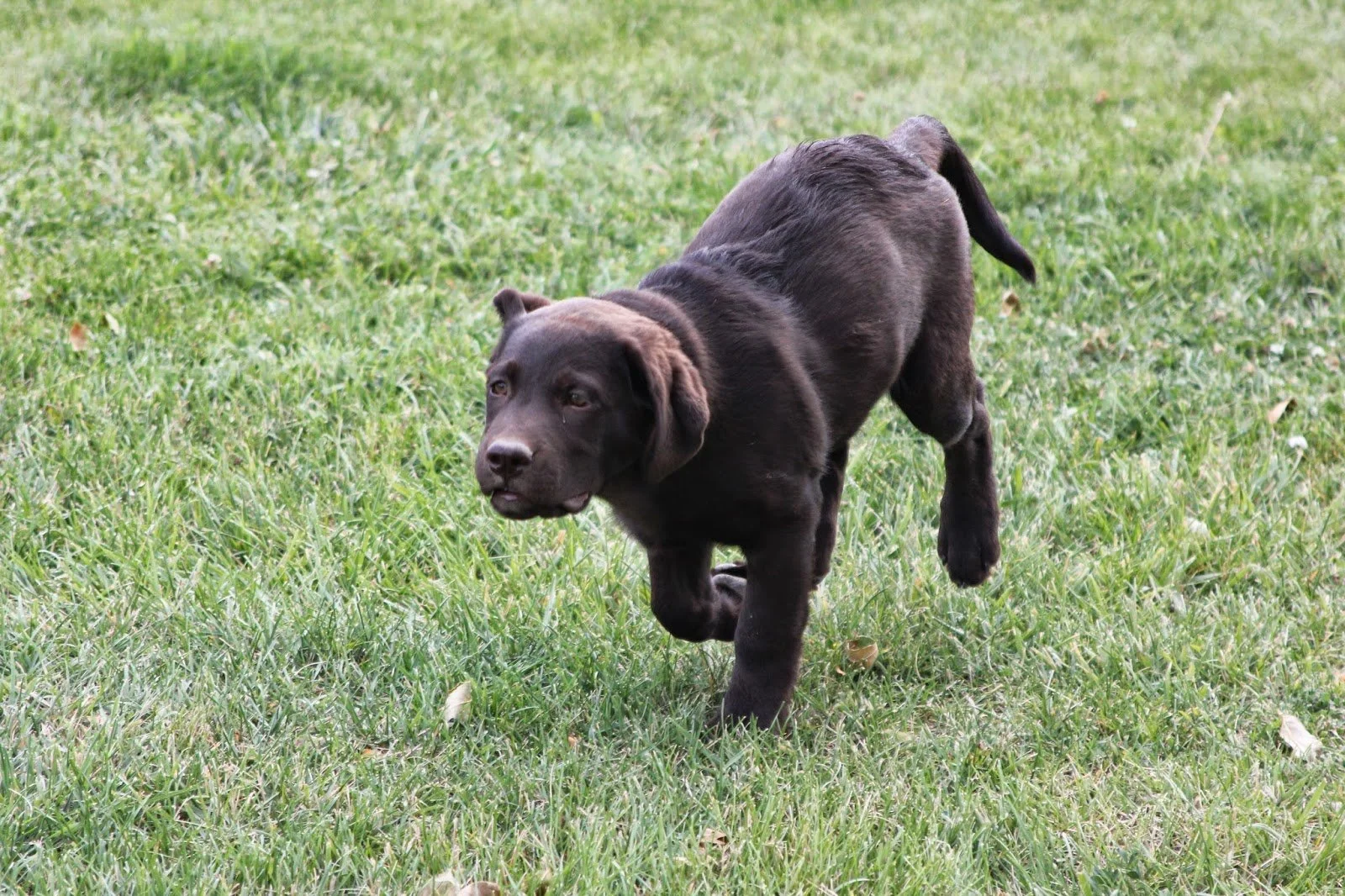
EXERCISE: Just as children behave better when they've had opportunity to burn some energy, same goes for your dog. Establish a couple of times each day when your dog gets to spend some fun time with someone.
When Puppy Comes Home-- Potty Training
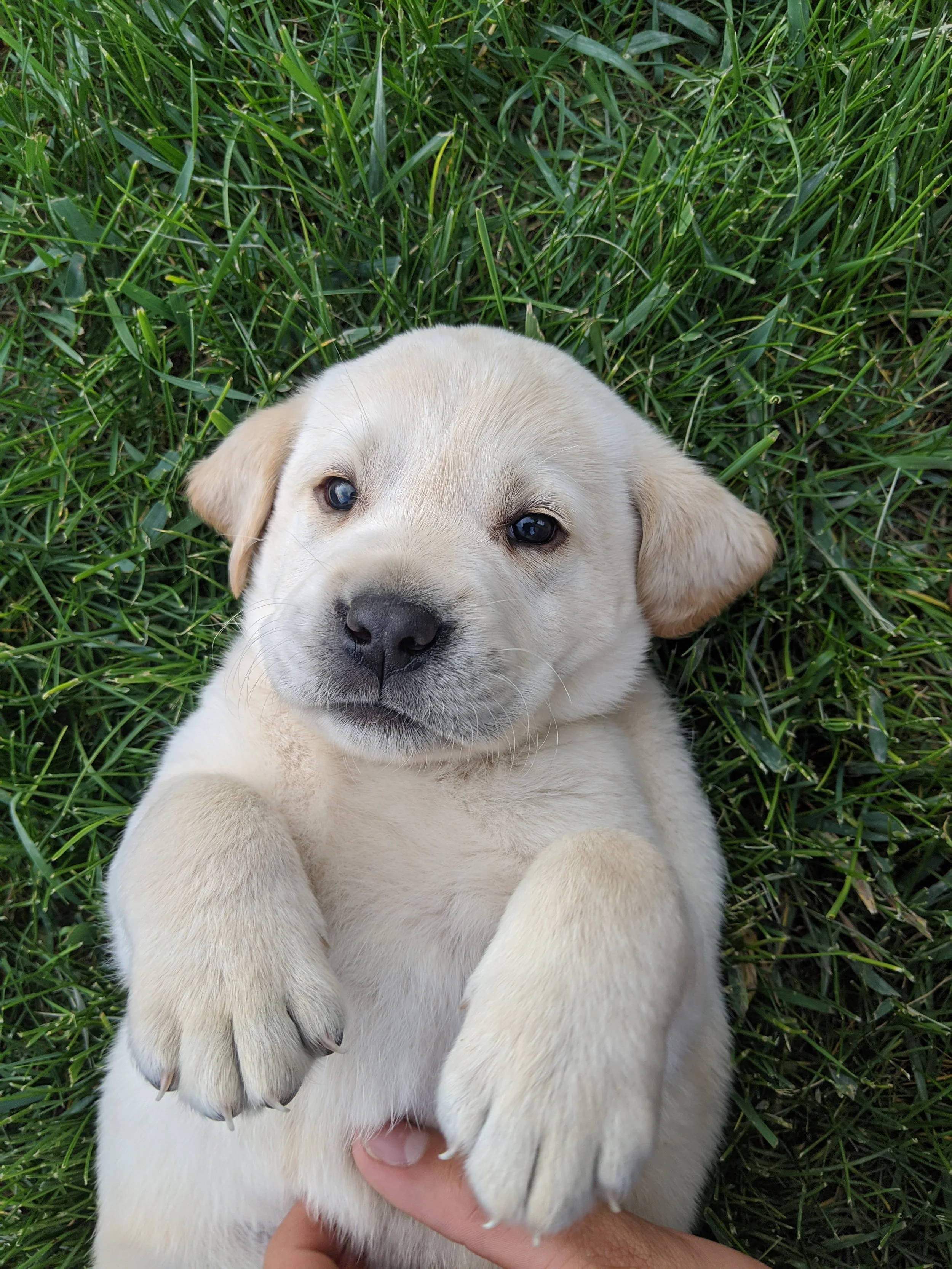
POTTY-TRAINING: Perhaps the most frustrating aspect of puppy-hood is getting them to go where they're supposed to! Routine and consistency are key! Dogs will naturally establish a "Break Place" (that's how we refer to elimination). When you first bring him home, take him to your designated spot and tell him to "Break" or whatever command you decide upon. He may be too interested in all of the new smells to actually perform, but don't stress.
When puppy comes home: Intro
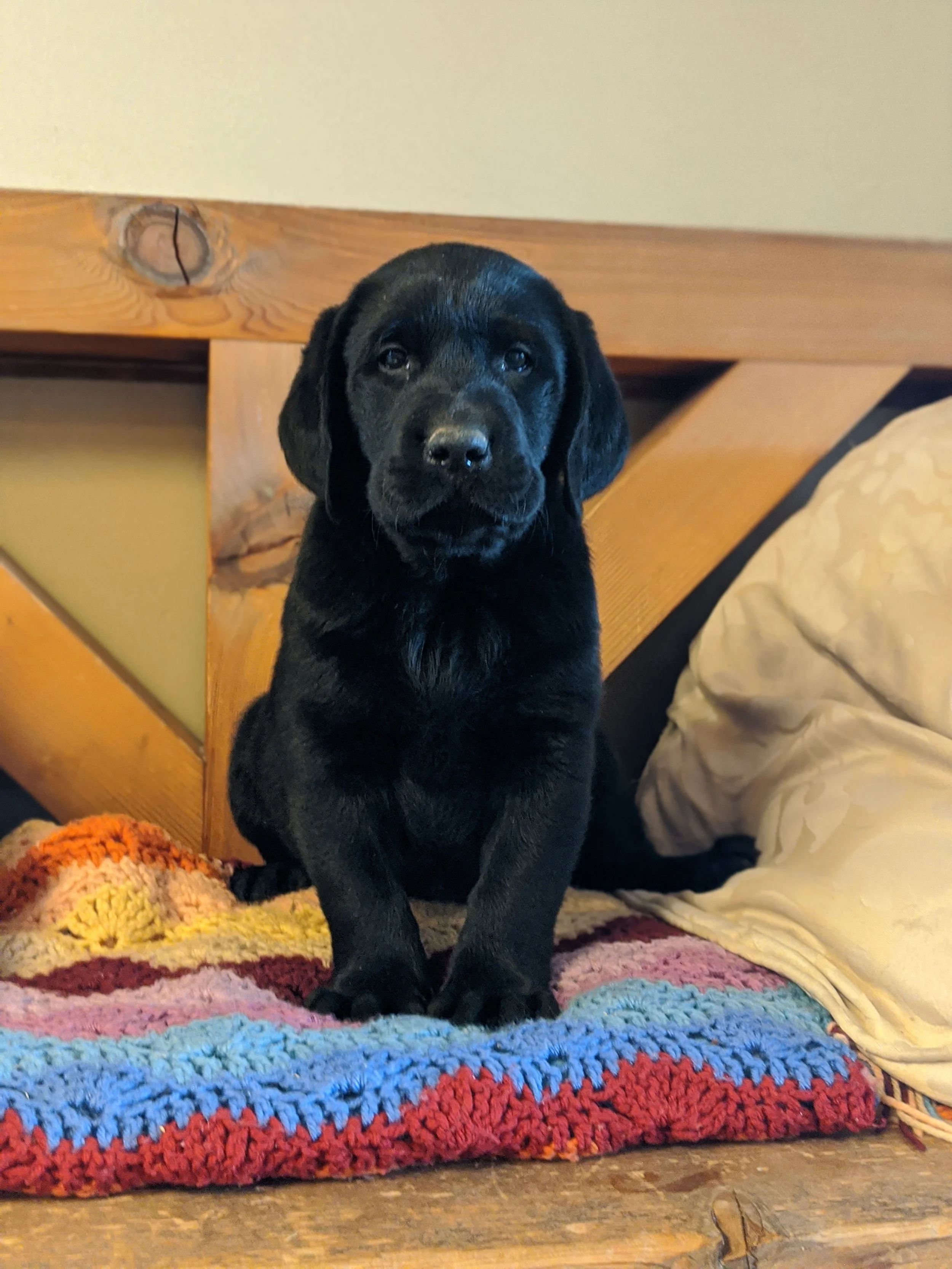
Many of us feel that a family just isn't quite complete without a dog. These creatures can truly add such joy and delight to our family memories. Eventually, the dog becomes like a family member and you barely know that he's there.
However, that dog snoring on the hearth doesn't happen over night. Introducing a puppy into a home is a big adjustment, especially if the family is new to dogs. Although a 6-month old puppy may look like an adult dog, it's NOT! It's very important to understand that dogs don't begin to lose their puppy status until they are TWO years old! It is unrealistic to expect that older pup to behave like his three year old sire. Thankfully, knowledge is power and knowing what to expect from your new friend can help ease the learning-curve (and hopefully preserve the furniture and carpet).
Welcome Home
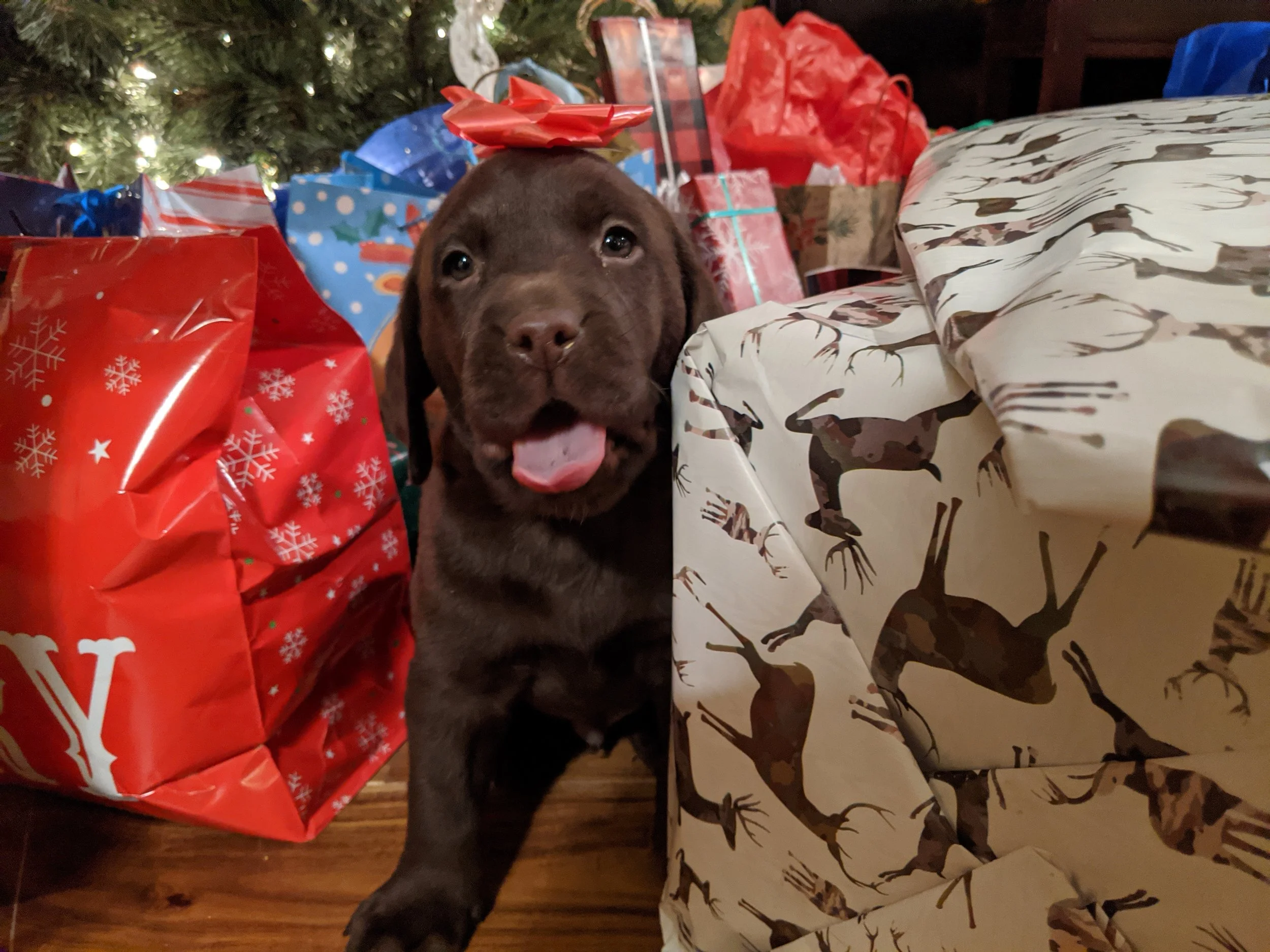
The much anticipated arrival of your new puppy is an exciting event-- especially if you have never owned a dog before. There are many different things to be considered before Spot comes home.
Cuddle buddy or service dog?
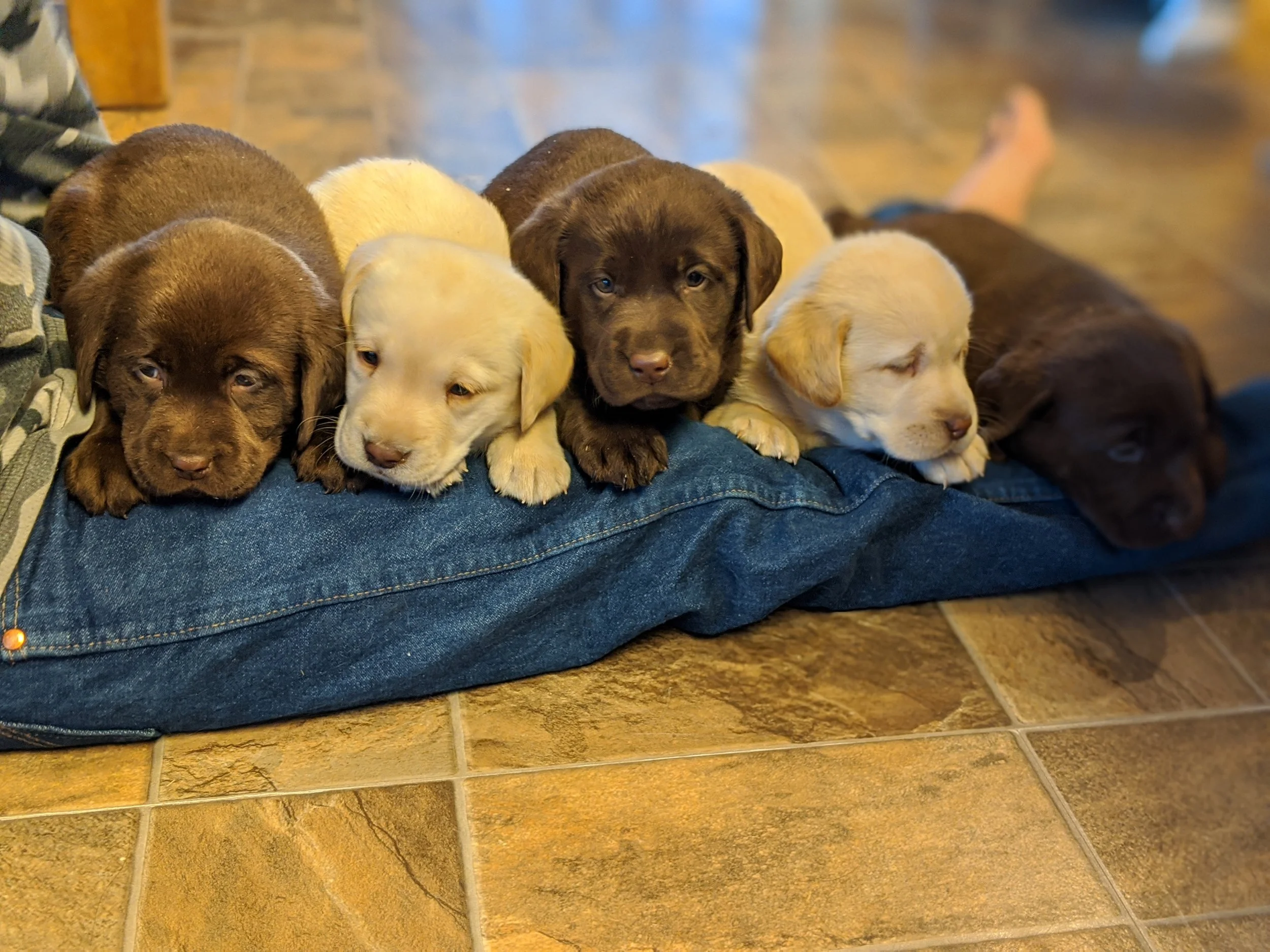
"How do you decide if a pup is going to be a service dog or a companion dog?" This is a question we frequently receive from potential clients who are considering purchasing a dog from us. While all the dogs that we produce are incredible creatures, not every dog is perfect for the working life. The standards are so high for service dogs going through our program that we carefully identify pups with temperaments conducive to service dog training, detector dog training or those better suited to in a family dog life
Genetic Testing
Diseases. Sickness. Genetic problems. Dysplasia issues. There are so many difficulties and complications that can arise in the dog breeding world. Thankfully, with the incredible growth of technology over the past decades, breeders have had the ability to control more and more genetic issues in the dogs they produce.
Service Dog Rights
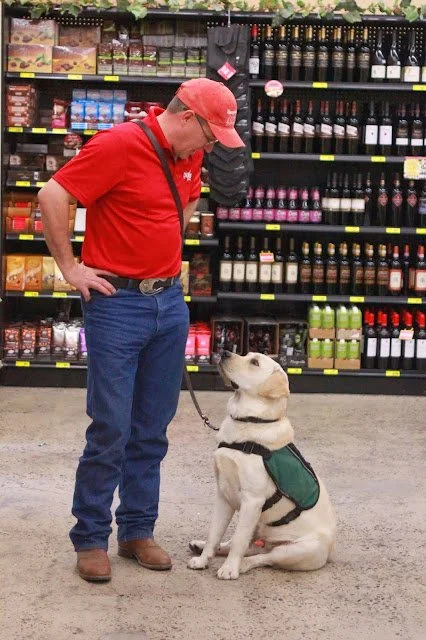
As we have placed more and more dogs with clients, questions involving a service dog's rights are constantly popping in our email, social media, texting, and voice messages. That's great! It means people are wanting to know the right way to do things, and are trying to stay informed. So, we decided a post with FAQs and answers would be a fantastic idea! There will also be links to more information at the end.
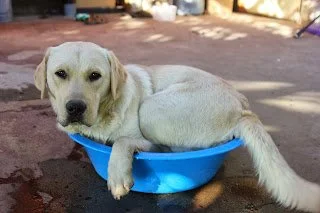
Summer and service dogs
With summer here it is good to plan for the heat! Although we can put on cooler clothes, our service dogs are stuck in their beautiful coats. Because of this, we need to keep in mind ways to keep our dogs cool. Especially if the service that your dog is performing for you includes scent work.
A Major event — part 2
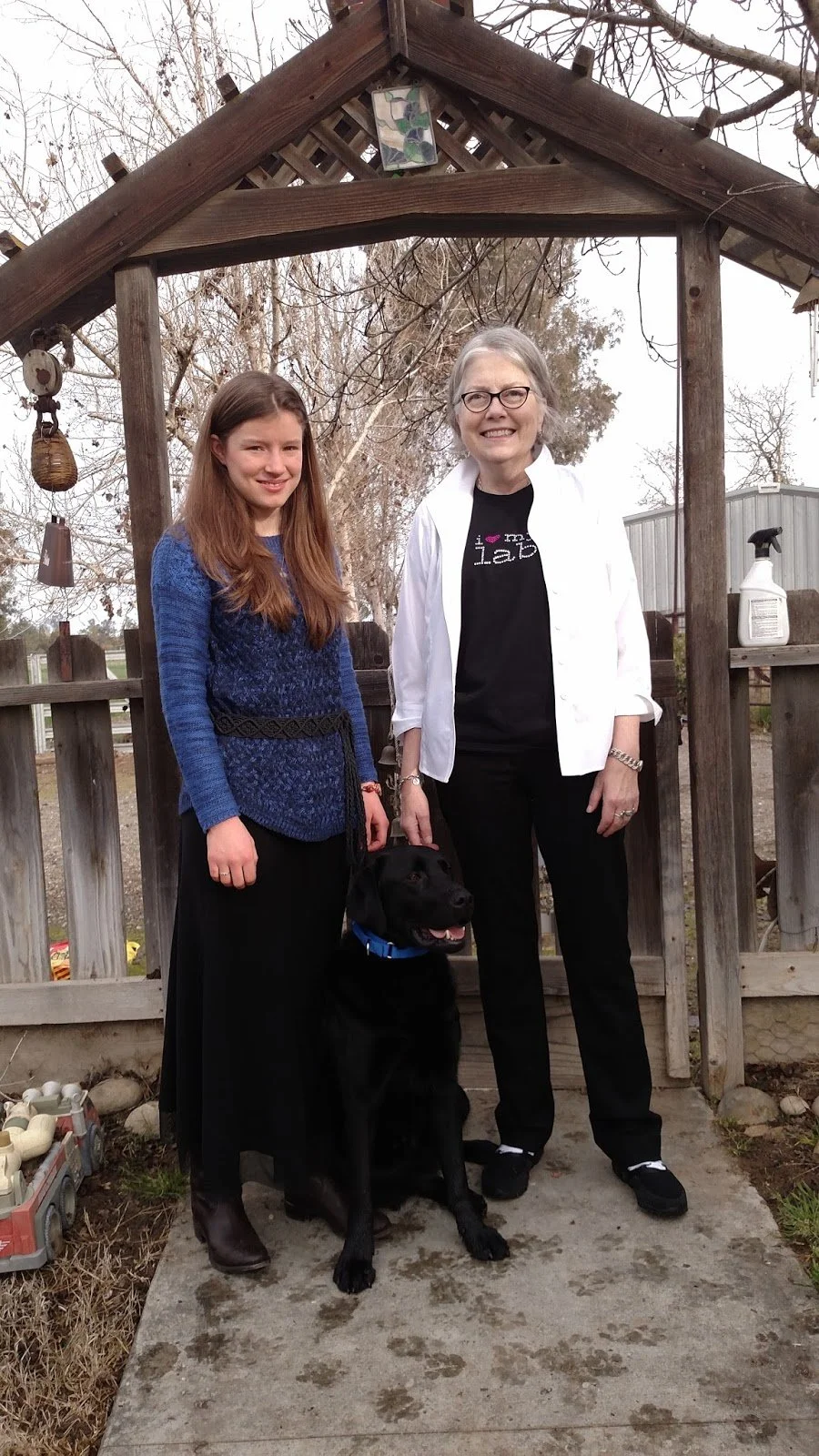
So, what does "placing a service dog" look like? After 20 months of training, we certainly don't just knock on the door and say, "Here's your dog. Have a good life!" Ridiculous!
Fortunately, Marie lives within an hour's drive to our California home. This allowed us to take Major for several "sleep-overs" and weekend visits prior to his official placement. Because of that prior experience together and time spent in Marie's home, this final placement visit was accomplished in a weekend.
A Major Event -- part 1
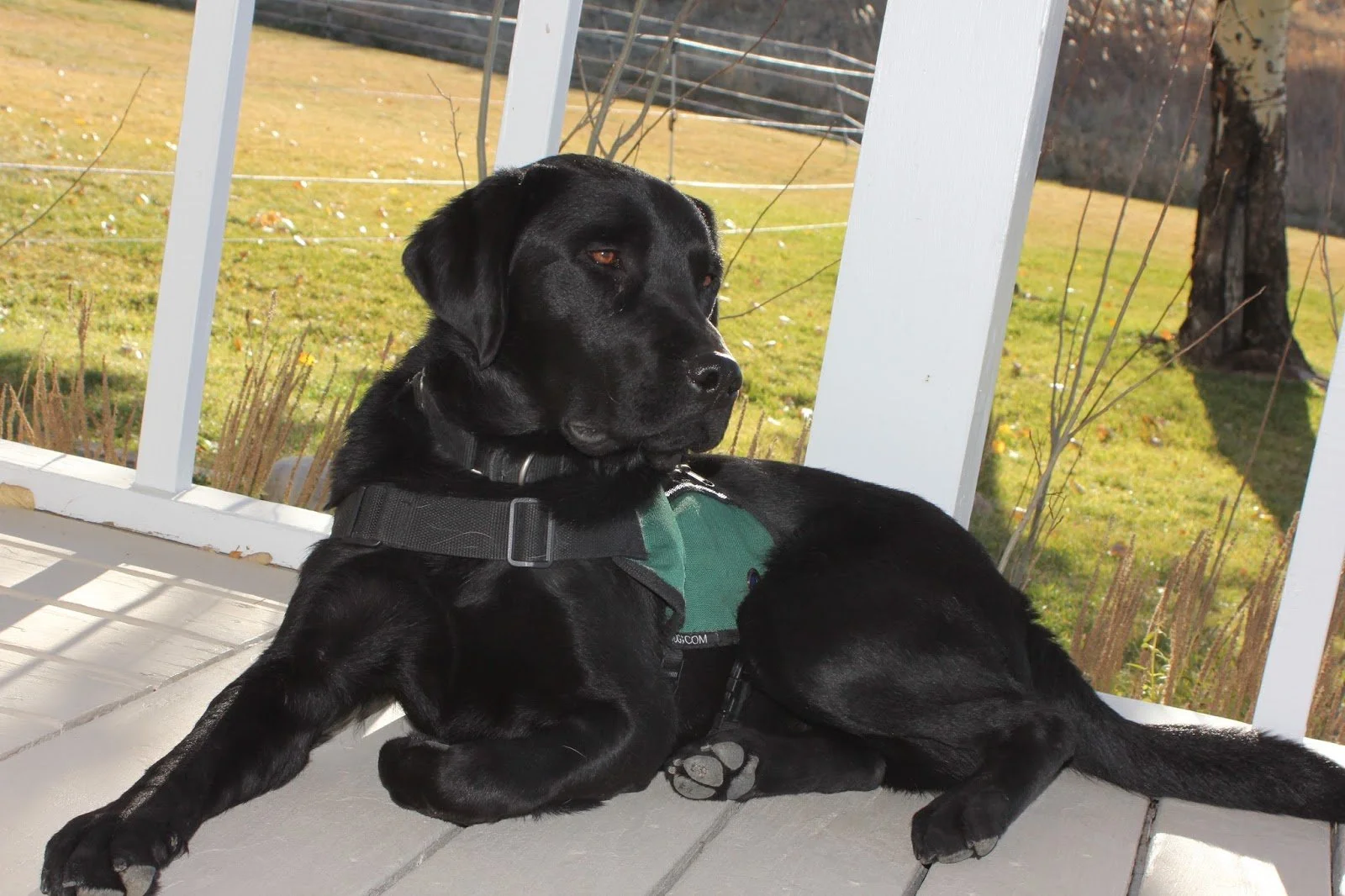
One of the first comments we get after telling someone that we train service dogs (after, "That's so COOL!") is, "Isn't it hard to give them up?" Our answer is, "Of course-- but it's so rewarding because you know they are finally doing what they were born to do!"
Major
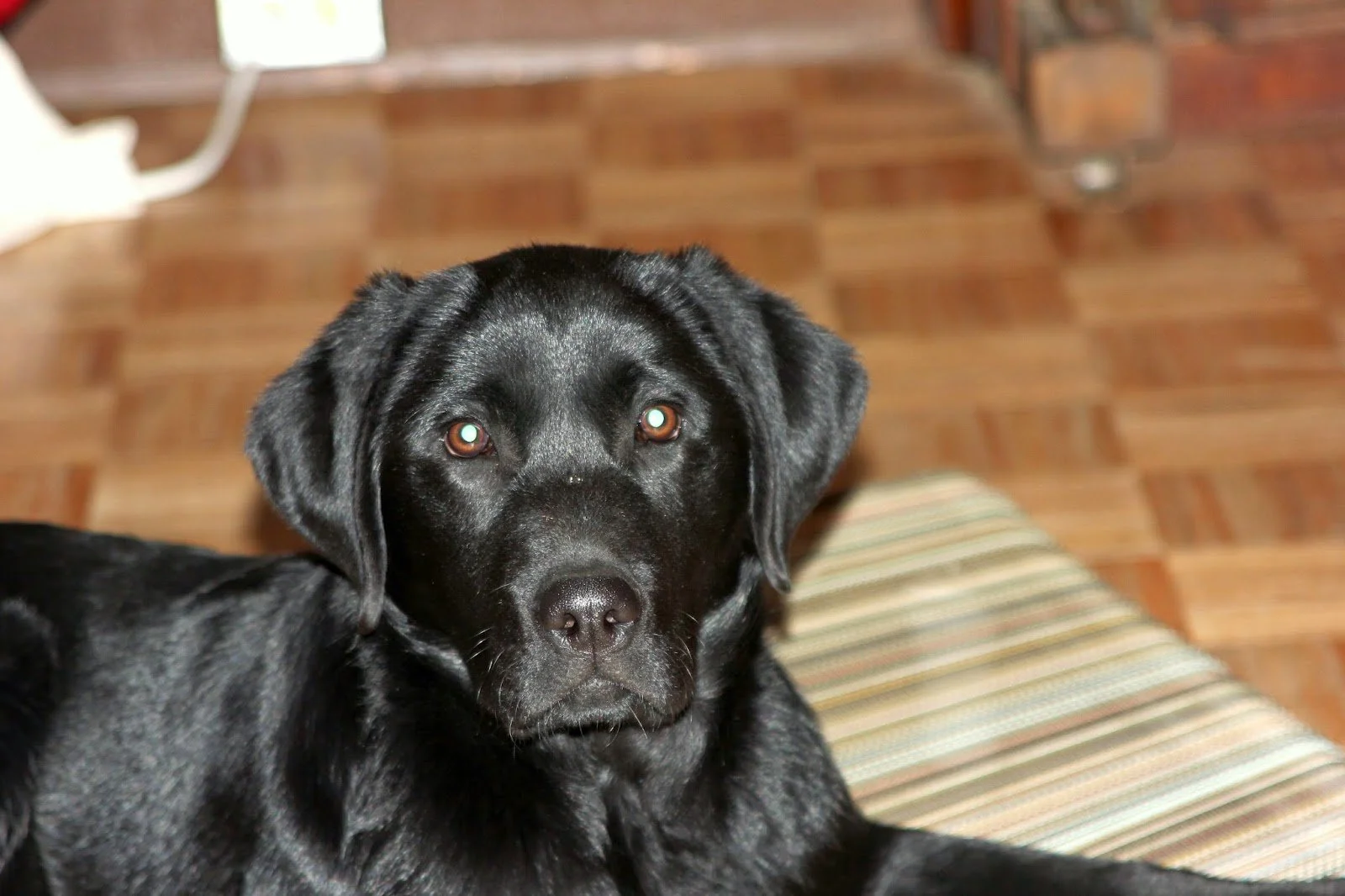
Major, our almost 7 month male black lab, has been progressing fast in his scent training. Passionate about food, he loves his training time. Recently, he has begun checking us for the "low" sent. He will come over to one of his trainers and smell them. If he finds the scent he will get an excited
Taking a break…
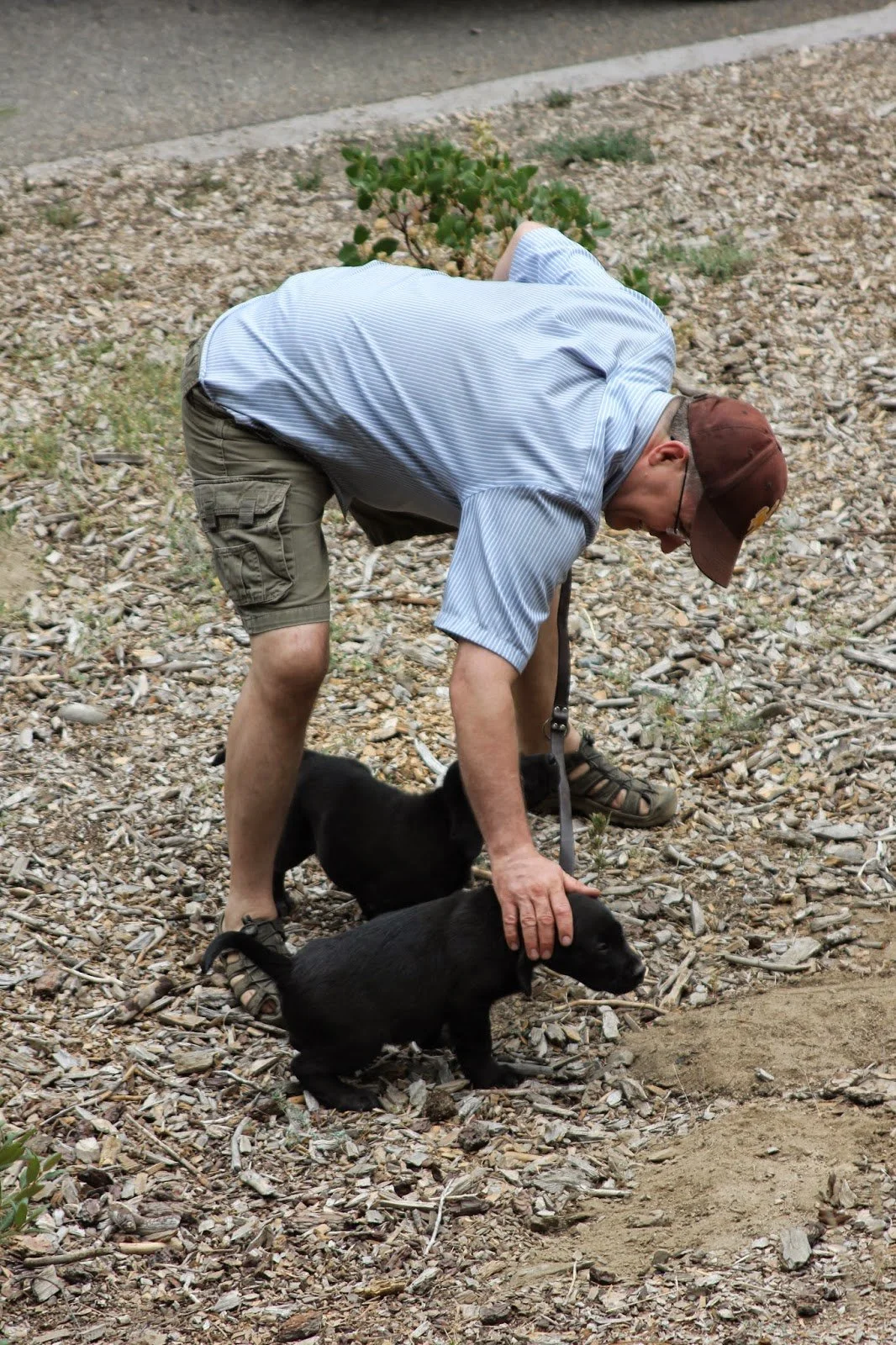
This post has nothing to do with resting, but everything to do with relieving. One of the basic functions of dogs, and one of the most frustrating issues of the owner of the untrained dog, is eliminating. We call this "taking a break." However, with consistency and attention, you can equip your dog with the skills to eliminate on command.
Dog Books
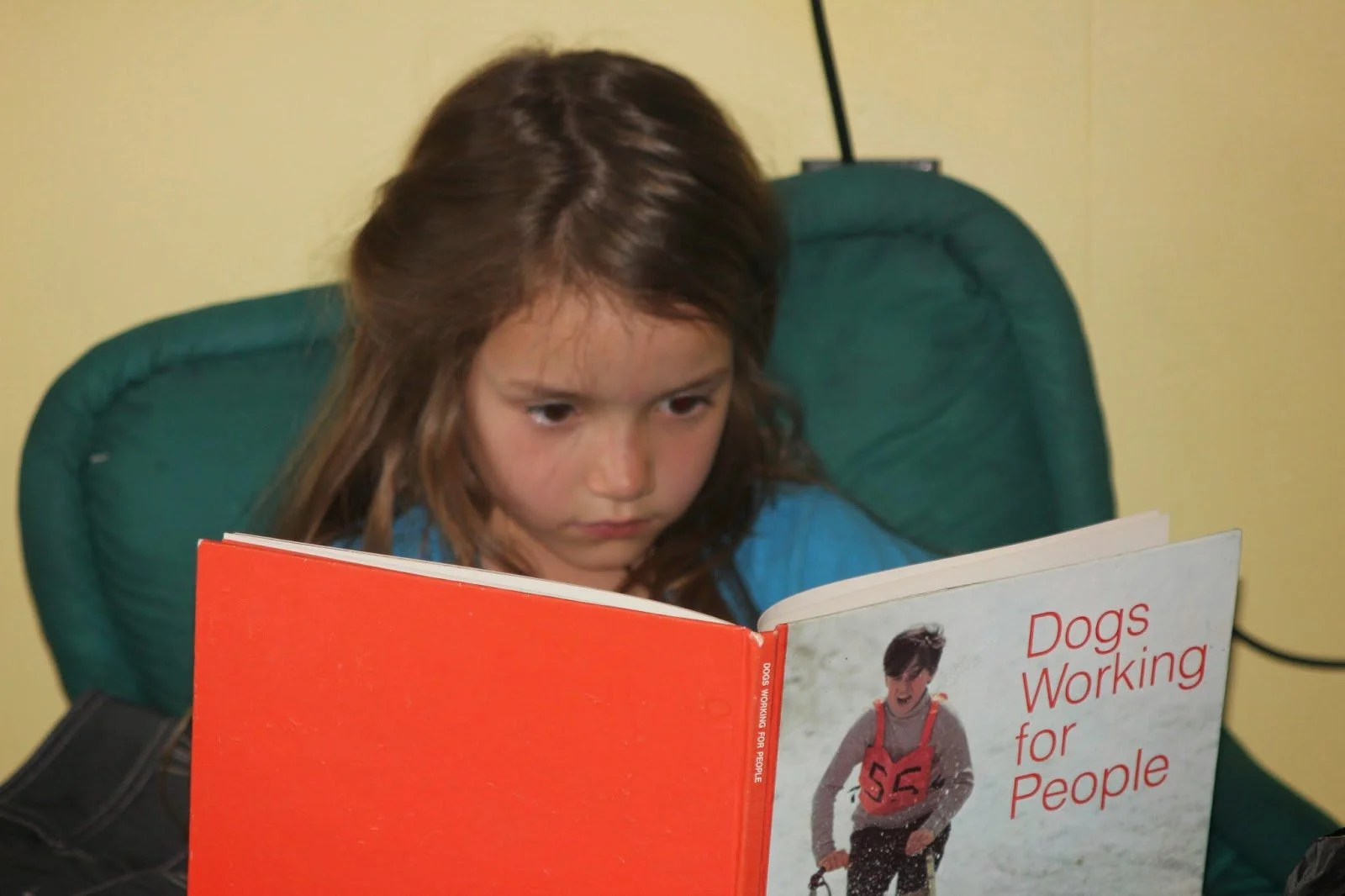
There are many reading sources on the market concerning dogs, dog training, dog breeding, dog health, and many other things pertaining to dogs. We have found some great books that we wholeheartedly endorse. Two of our favorites are both written by a lady who been in the dog training arena for over 40 years~ Debby Kay knows what she's talking about when it comes to scent training!
Assistance dogs; why shouldn’t they be protective
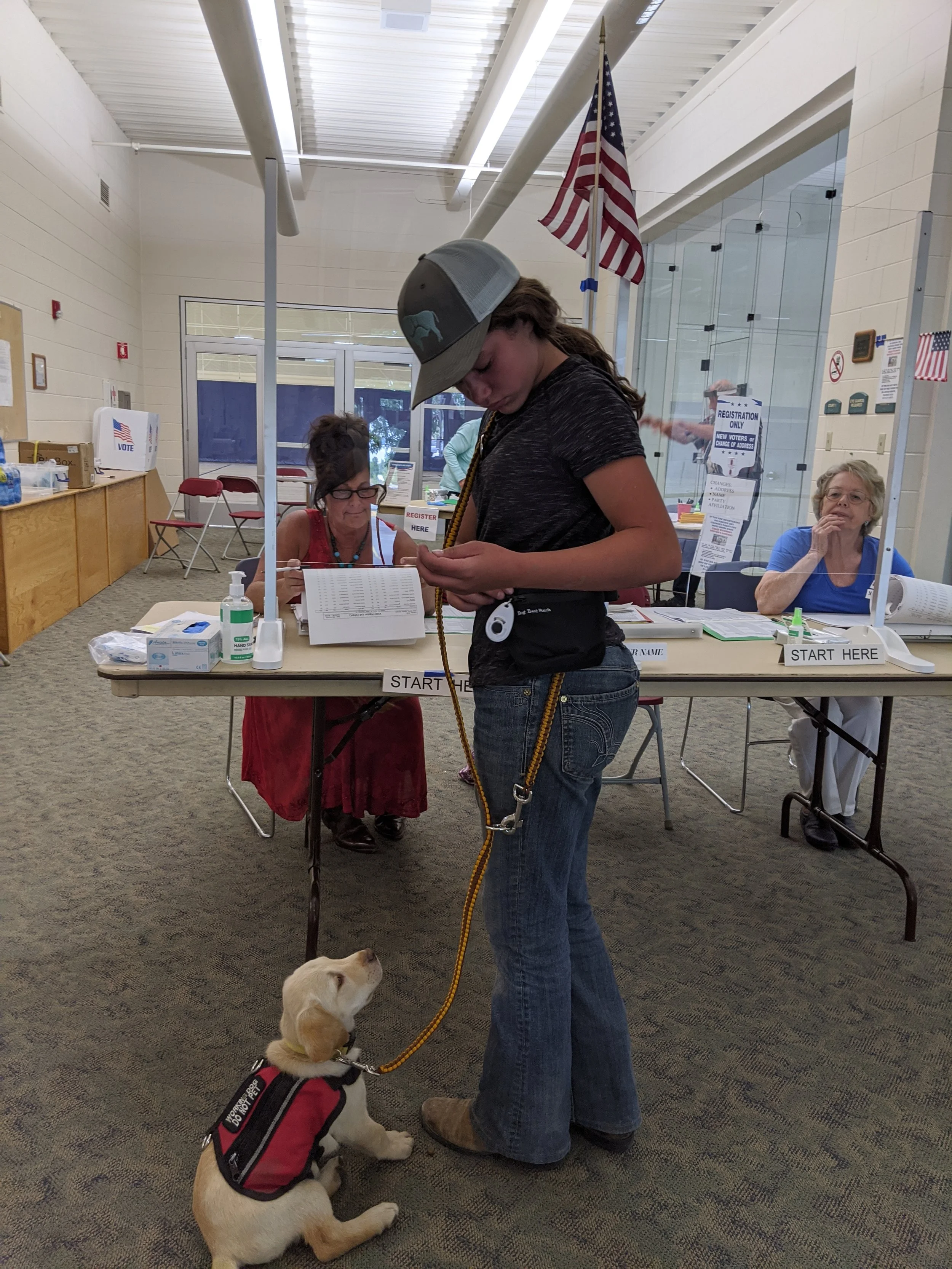
Assistance or medical dogs are very helpful in a variety of ways. They can do everything from alerting on cancer in a person to bringing the TV remote to their handler. However, there is one thing that an assistance dog should NEVER be allowed or trained to do~ being protective of their handler. Although this may sound like it would be very helpful for someone often alone in a rough part of town, this protectiveness may also cause the dog or handler to lose his life.

Introducing: Duty Dogs
Years ago our 4 year old son was diagnosed with Type 1 Diabetes. Thus our journey into the Diabetic Community began.
Initially, we were shocked and somewhat dismayed at the thoughts of a life with diabetes management playing a central role. However while at Children's Hospital we quickly realized the fact that our son's disease was manageable.